
From Accident to Ambulance: Emergency Action Plans for the Injured Athlete
Course Description:
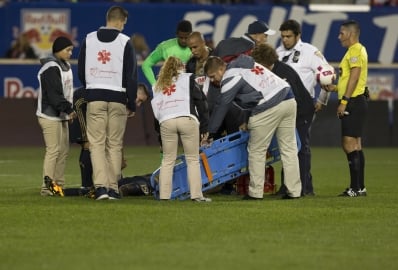
The National Athletic Trainers Association EAP Guide states that the emergency management of injuries in sport should be handled by a trained medical professional. Emergency action plans are necessary for any school or university that have venues where athletes exercise. An emergency action plan should be specific to your organization, venues, resources, and personnel. Sports medicine professionals must be competent in developing, implementing, and reviewing EAPs to protect athletes and reduce liability for the individual healthcare professional and institution. In this course, lecture will be implemented to achieve the stated objectives. The instructor will provide an overarching review of the literature as it pertains to management of establishing emergency action plans. As the literature and practice guidelines/recommendations are reviewed, the participants will reflect and critique their own emergency action plans to improve athlete safety during sport participation and identify areas needing remediation in current emergency planning. Through this reflection, the other two aspects of evidence-based practice, including internal evidence (clinical experience) and patient values/preferences, as it pertains to establishing procedures, and identifying personnel and resources to create EAPs, will be intertwined throughout the course.
Course Description:
The National Athletic Trainers Association EAP Guide states that the emergency management of injuries in sport should be handled by a trained medical professional. Emergency action plans are necessary for any school or university that have venues where athletes exercise. An emergency action plan should be specific to your organization, venues, resources, and personnel. Sports medicine professionals must be competent in developing, implementing, and reviewing EAPs to protect athletes and reduce liability for the individual healthcare professional and institution. In this course, lecture will be implemented to achieve the stated objectives. The instructor will provide an overarching review of the literature as it pertains to management of establishing emergency action plans. As the literature and practice guidelines/recommendations are reviewed, the participants will reflect and critique their own emergency action plans to improve athlete safety during sport participation and identify areas needing remediation in current emergency planning. Through this reflection, the other two aspects of evidence-based practice, including internal evidence (clinical experience) and patient values/preferences, as it pertains to establishing procedures, and identifying personnel and resources to create EAPs, will be intertwined throughout the course.
Original: $37.00
-65%$37.00
$12.95Description
Course Description:
The National Athletic Trainers Association EAP Guide states that the emergency management of injuries in sport should be handled by a trained medical professional. Emergency action plans are necessary for any school or university that have venues where athletes exercise. An emergency action plan should be specific to your organization, venues, resources, and personnel. Sports medicine professionals must be competent in developing, implementing, and reviewing EAPs to protect athletes and reduce liability for the individual healthcare professional and institution. In this course, lecture will be implemented to achieve the stated objectives. The instructor will provide an overarching review of the literature as it pertains to management of establishing emergency action plans. As the literature and practice guidelines/recommendations are reviewed, the participants will reflect and critique their own emergency action plans to improve athlete safety during sport participation and identify areas needing remediation in current emergency planning. Through this reflection, the other two aspects of evidence-based practice, including internal evidence (clinical experience) and patient values/preferences, as it pertains to establishing procedures, and identifying personnel and resources to create EAPs, will be intertwined throughout the course.